Wudu Nail Rings and Wudu Nail Covers: A Practical Guide to Faith, Beauty, and Everyday Comfort
Wudu nail rings, nail rings for wudu, and wudu nail covers are becoming familiar search terms among women who want to balance personal style with the practical requirements of daily worship. These small accessories are designed to sit on or around the nail, but their purpose and reliability vary widely. Some are decorative, some are protective, and others are marketed specifically as water-friendly options for ablution. This guide explains what these products are, how to evaluate them, and what to consider before using them as part of your routine.
What Are Wudu Nail Rings?
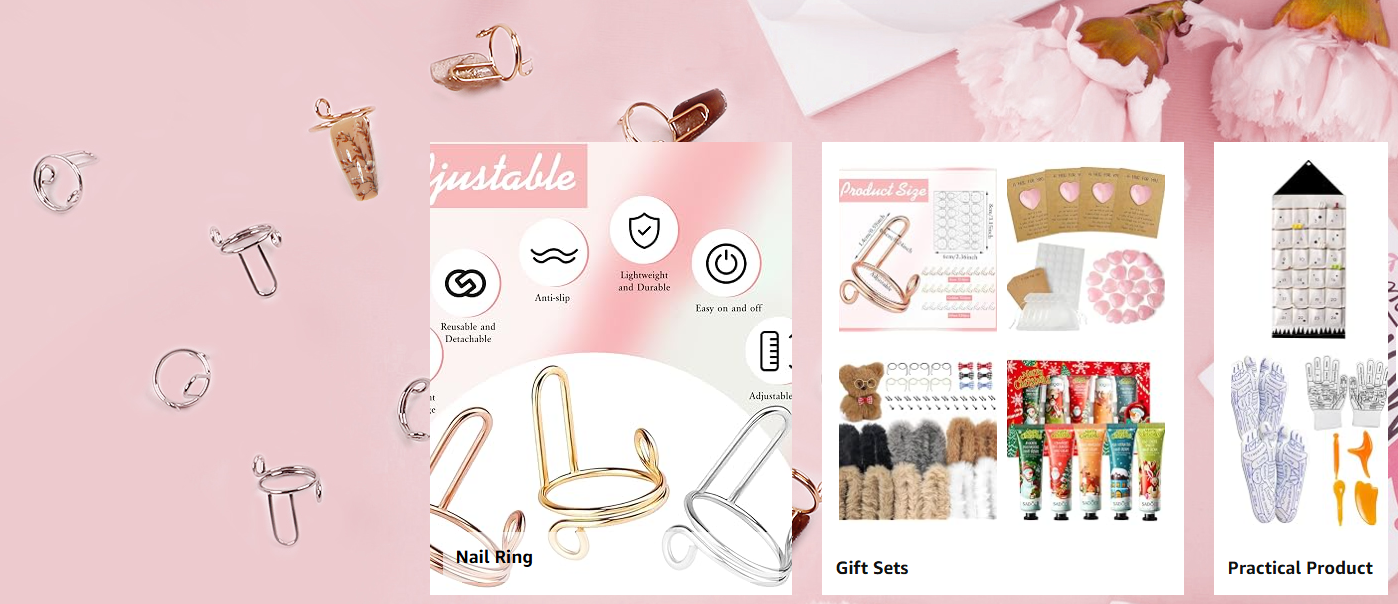
Wudu nail rings are small jewelry-like pieces worn on or around the fingernail. Unlike traditional finger rings, they draw attention to the nail itself. The term nail rings for wudu usually refers to designs that are open, adjustable, or otherwise intended to allow water to reach the nail and surrounding skin during ablution. Wudu nail covers, by contrast, are often reusable caps, stickers, or protective covers. Some are used to shield nail art or polish between ablutions, while others are marketed as alternatives that may support wudu-friendly wear.
Because the market is still niche, product quality and design can differ dramatically. A beautiful nail ring may be comfortable and stylish, but that does not automatically mean it is suitable for wudu. The key question is simple: does water actually reach the nail? If the answer is unclear, remove the accessory before performing wudu or seek guidance from a qualified scholar.
Why Are They Gaining Attention?
Many women enjoy nail art, delicate jewelry, and accessories that express personality. At the same time, wudu requires water to reach the skin and nails. Conventional nail polish, thick stickers, and tight accessories can create a barrier. This tension has led to interest in wudu nail rings and wudu nail covers as possible middle-ground solutions. For some, these products are a way to explore modest beauty while staying mindful of religious obligations. For others, they are simply practical protectors for nails during housework, travel, gardening, or other daily tasks.
How They Fit Into Wudu
Wudu is both a physical and spiritual act. Water must reach the parts of the body that are required to be washed, including the hands, face, arms, and feet. When an accessory blocks water from reaching the nail or skin, it can interfere with the validity of ablution. Water-friendly nail rings are usually designed with gaps, open fronts, or adjustable frames. However, not every open design is automatically water-permeable. Small crevices, tight bands, or decorative elements can trap air or prevent water from flowing freely.
Quick check: Before relying on any nail ring or nail cover for wudu, test it under running water. Confirm that water reaches the nail bed and the skin around it. If the accessory forms a barrier, remove it for wudu.
Popular Types at a Glance
- Open-frame nail rings: These usually feature a minimal band or cage design. They can look elegant, but water flow depends on the exact structure.
- Adjustable nail rings: Often easier to fit comfortably, but they may still sit tightly against the nail.
- Reusable nail covers: Useful for protecting nails from chores or cosmetic damage, but many are not intended for wudu unless clearly specified.
- Decorative nail caps: Best treated as fashion accessories unless the manufacturer provides clear water-permeability details.
| Type | Best For | Wudu Consideration |
|---|---|---|
| Open-frame nail ring | Subtle style and breathability | Check for gaps and tightness |
| Adjustable nail ring | Comfort and fit | Ensure it does not seal the nail |
| Reusable nail cover | Protecting nail art or chores | Remove if water cannot reach the nail |
Materials and Comfort
Look for skin-friendly materials such as stainless steel, sterling silver, gold plating, silicone, or medical-grade plastic. Cheap metals may tarnish, irritate sensitive skin, or feel uncomfortable after long wear. If you have allergies, patch-test the accessory before wearing it for extended periods. Also consider daily practicality: a nail ring that catches on clothing or feels bulky may not be the best choice for work, cooking, or exercise.
How to Choose the Right Option
- Check water permeability first. Style should come after function.
- Look for a comfortable, secure fit. Avoid tight bands that press into the skin.
- Choose skin-friendly materials. This matters for daily wear.
- Test before you trust. Run water over the accessory and observe carefully.
- Ask a knowledgeable scholar. If you are unsure about validity, seek reliable religious guidance.
Care and Cleaning Tips
Clean reusable nail rings and covers with mild soap and warm water, then dry them thoroughly. Store small pieces separately to prevent scratches or loss. Avoid harsh chemicals, prolonged moisture, and shared use when hygiene is a concern. If a product becomes damaged, loose, or difficult to clean, replace it.
Common Questions
Can I wear nail rings during wudu? Only if water reaches the nail and surrounding skin. If the ring creates a barrier, remove it.
Are wudu nail covers for nail polish? Some people use them to protect nail art, but if they block water, they should not be relied upon for wudu.
Do all nail rings allow water through? No. Many are purely decorative. Always test the specific product.
Final Thoughts
Wudu nail rings, nail rings for wudu, and wudu nail covers can be thoughtful accessories for women seeking a practical balance between beauty and faith. Their usefulness depends on design, fit, material, and—most importantly—whether water can reach the nail. Treat them as tools to evaluate carefully, not as automatic religious shortcuts. When in doubt, remove the accessory for wudu and consult a qualified scholar. With the right approach, style and spiritual practice can coexist with care, intention, and peace of mind.
Comments are closed