Feeding Feathered Friends: A Guide to Bird Feeders & Outdoor Accessories
Watching birds flutter into your garden is one of life’s simple pleasures. Whether you’re a seasoned birder or a curious beginner, the right combination of bird feeders and outdoor accessories can transform your backyard into a thriving avian haven. From sleek modern designs to rustic wooden houses, the choices are endless—and the rewards are feathers, songs, and hours of entertainment.
Choosing the Right Bird Feeder
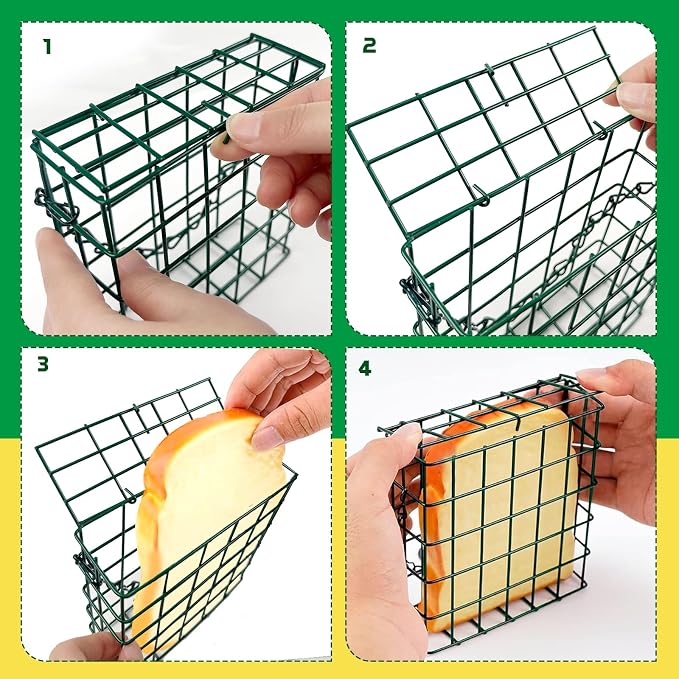
The first step is understanding your local bird population. Different species prefer different feeding styles. Platform feeders attract ground-feeding birds like sparrows and doves, while tube feeders are ideal for small songbirds such as finches and chickadees. Suet feeders cater to woodpeckers and nuthatches, especially in winter when insects are scarce. And hummingbird feeders—those bright red nectar dispensers—are a must if you want to see these tiny acrobats zipping through your garden.
Consider the material too. Metal feeders resist squirrels and weather better than plastic, while wooden feeders offer a classic, natural look. Tip: Place feeders at least 10 feet from windows to prevent collisions, and add a squirrel baffle to keep furry thieves at bay.
Essential Outdoor Accessories
A feeder alone is just the beginning. To create a complete bird-friendly environment, pair it with thoughtful accessories:
- Bird baths: A shallow, textured basin provides drinking water and a place to splash. Moving water—via a dripper or fountain—attracts more birds.
- Shelter and nesting boxes: Roosting pockets and wooden nest boxes offer safe havens during storms and breeding season.
- Seed catchers: These trays catch fallen seeds, reducing waste and keeping your lawn tidy.
- Pole systems: A sturdy pole with multiple hooks lets you hang several feeders at once, creating a busy feeding station.
Placement & Maintenance Matters
Even the best feeder fails if it’s poorly placed. Mount feeders in a quiet area, protected from harsh winds, and near shrubs or trees so birds can retreat from predators. Keep feeders 30 feet from natural cover to give birds a safe escape route. Clean your feeders every two weeks with a mild bleach solution (one part bleach to nine parts water) to prevent disease. Replace moldy seed and refresh water in bird baths every other day.
“A well-stocked feeder and a clean bird bath can increase local bird diversity by up to 50%,” notes the Cornell Lab of Ornithology.
Seasonal Strategies
Bird feeding isn’t a one-season hobby. In spring, offer high-protein suet for nesting birds. Summer calls for nectar feeders and fresh fruit. Autumn is the time to stock up on black-oil sunflower seeds for migrating visitors, while winter demands high-fat foods like peanuts and suet cakes. Rotate your accessories too—add a heated bird bath in freezing months to provide liquid water when natural sources ice over.
Final Thoughts
Creating a bird-friendly outdoor space is a rewarding journey. Start small with one feeder and a simple bird bath, then expand as you learn which species visit. The right bird feeders and outdoor accessories do more than attract birds—they connect you to the rhythms of nature. So hang that feeder, fill the bath, and settle in. The show is about to begin.
Comments are closed